MORE THAN SKIN DEEP

Explore your tattoo’s meaning.
Before it’s permanent.

Some meanings are personal. Others carry a history. Make room for both before you make your design permanent.

Manual tools are free. AI placement uses paid image credits. No card needed to explore.
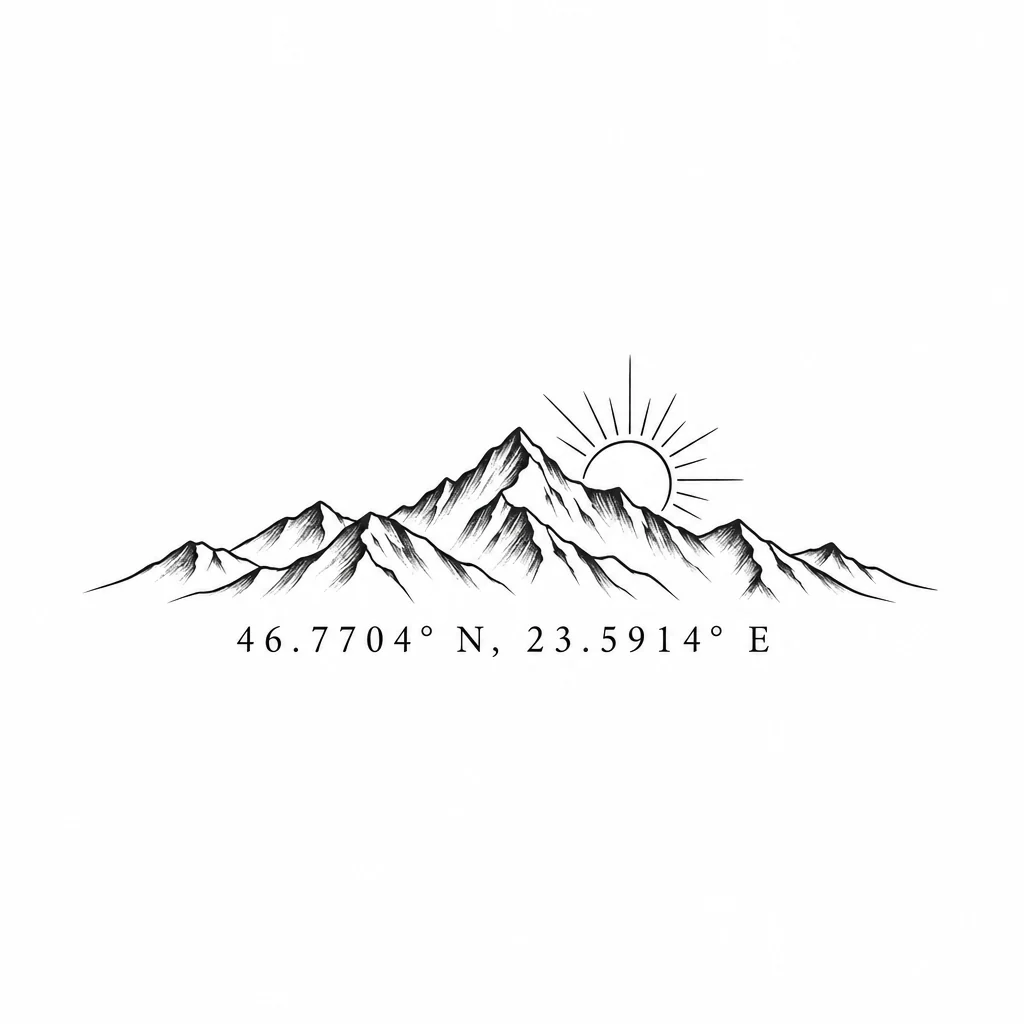
A minimalist tattoo concept: a mountain ridge line under a low sun, with a pair of geographic coordinates lettered beneath it.
Free manual planning tools. One-time AI packs from £12. See exactly what’s included · Contact us
SEE A FINISHED ONE BEFORE YOU START YOURS

Explore a sample of what you can prepare. Examples are labelled so you can distinguish AI guidance, illustrative review notes and placement studies before starting your own.

ILLUSTRATIVE SAMPLES · NOT HUMAN-VERIFIED RESULTS

SAMPLE WORDING & INTENTION
LanguageJapanese
Exact wording生きる
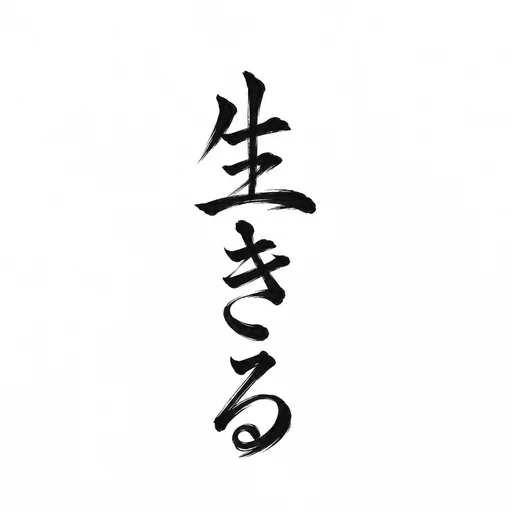
A tattoo concept of three Japanese characters, 生 き る, arranged vertically in heavy black brushstrokes on white.
What you want it to mean

To live — a reminder to actually do it, not just get through it.
Free · no card · no account
SAMPLE AI GUIDANCE

It says “to live”. That is a verb, not the word “life”.

WHAT IT READS AS
生きる is the dictionary form of the verb “to live”. On its own it reads as a statement or a resolution — closer to “to live” than to “life”. It is a verb, not a noun, and that is the distinction most people miss.
THE FORM THAT CARRIES THE MEANING
生 is the kanji; き and る are hiragana. That mixture is exactly what makes it a verb. Keep only 生 and it becomes a different word with different readings. Swap the ending for 生きろ and it becomes a command: “live!”.
TONE
Plain and direct. It reads like a decision rather than a poem, which is usually the reason people choose it. It is also a common choice, so it will be recognised immediately.
LAYOUT
Vertically, 生 above き above る is the expected order. Horizontally it reads left to right. Both are correct — they simply feel different on skin.
QUESTIONS TO RESOLVE BEFORE THE STENCIL
  • Decide with a fluent speaker whether you want the plain verb (生きる), the noun (生命 or 人生), or the imperative (生きろ). They say genuinely different things.
  • Check that き and る are drawn as hiragana and have not drifted into a shape that reads as another character at small size.
  • Confirm the final stencil at real size. Hiragana has fewer strokes than kanji and loses legibility first.

AI guidance, not human verification. Confirm the exact lettering with a fluent speaker.

This is the shape of an AI check: what the words read as, which form carries the meaning, and what to ask. A fluent speaker still has to confirm the exact stencil.

Try this example in the checker
01 / A LITTLE MORE PREPARED

Your intention comes first

Write down what this design means to you. It helps your artist understand the feeling behind the image.

02 / A LITTLE MORE PREPARED

Context matters

Check cultural and historical uses with knowledgeable sources, particularly for sacred or community-specific symbols.

03 / A LITTLE MORE PREPARED

Ask the right questions

Bring uncertainties into the consultation. You don’t need to arrive with every answer.

BEFORE IT BECOMES PERMANENT

Give your idea
a second look.

Explore my meaning

Free to start. No card, no account, and nothing is sent anywhere until you choose to.